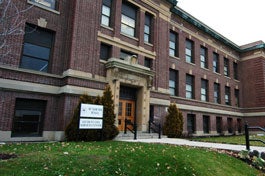
National data highlights that 24% of first-generation students earn a bachelor’s degree within six years of starting college, compared with 59% of their continuing-generation peers. There are currently 8.2 million first-generation undergraduate students; 54% of all undergrads in the U.S. (Firstgenforward.org)
What should I focus on during my first semester?
Your first semester is about adjusting, not being perfect. Focus on:
- Learning how classes work (syllabi, office hours, deadlines)
- Creating a routine that balances classes, studying, rest, and fun
- Asking questions early—confusion is normal, Sweeping questions under the rug won't work or help!
How do I ask for help without feeling awkward?
Asking for help is a SKILL, not a weakness.
- Professors expect students to use office hours
- Advisors, tutors, and support staff are literally paid to help you
- Example statement: “I want to make sure I’m on the right track—can you help me understand…?”
What’s the biggest academic adjustment from high school?
College is more independent:
- You’ll spend less time in class and more time learning on your own
- Professors won’t remind you about every deadline—use a planner, calendar, or other tracker methods
- Studying is about understanding, not memorizing
Pro tip: Plan 2–3 hours of study time per week for each credit hour.
What if I feel like I don’t belong here?
That feeling has a name—imposter syndrome—and many students (especially First-Gen) experience it.
- Feeling unsure does not mean you don’t deserve to be here
- You were admitted because the school believes in you
- Talk to someone—Learning Assistant, Resident Assistant, Advisor, Counseling Center, or Office of Inclusive Excellence
You are not behind. You are learning.
How do I stay on top of finances?
Money can be stressful, but there are supports:
- Check your student portal (SIS) often for bills, financial aid, and deadlines
- Ask financial aid staff to explain things—no question is “dumb”
- Track your other spending by catergories and set a weekly budget
- Apply for scholarships every year, not just your first
What campus resources should I use right away?
These can make or break your first year:
- Academic Advising Hubs
- Student Success Center Tutoring
- First-Gen Programs or student organizations
- Counseling and Wellness services
- Center for Career & Professional Development (yes, even as a first-year!)
Do I have to get involved right away?
It makes getting involved and helps you feel connected to RPI's Campus!
- Explore the RPI Union Clubs list and attend the RPI Activities Fair
- Try one club or organization that interests you
- It’s okay to try something and decide it’s not for you
College is about exploring. Don't feel pressured to continue with something if it's not for you!
How do I balance family responsibilities with college life?
Many First-Gen students carry family expectations.
- It’s okay to explain that college is a time commitment
- Set boundaries around study time, your family will understand if you talk with them!
- Remember: investing in yourself now can help your family long-term
What should I do if I mess up?
Mistakes happen. What matters is what you do next.
- Missed a deadline? Email the professor
- Failing a quiz? Visit tutoring or faculty office hours
- Feeling overwhelmed? Reach out early
Recovery is a skill—practice it.
What’s one thing I should always remember?
You don’t need to have everything figured out.
You are allowed to:
- Ask questions
- Change your mind
- Take up space
- Grow at your own pace
You belong here—and your journey matters.